


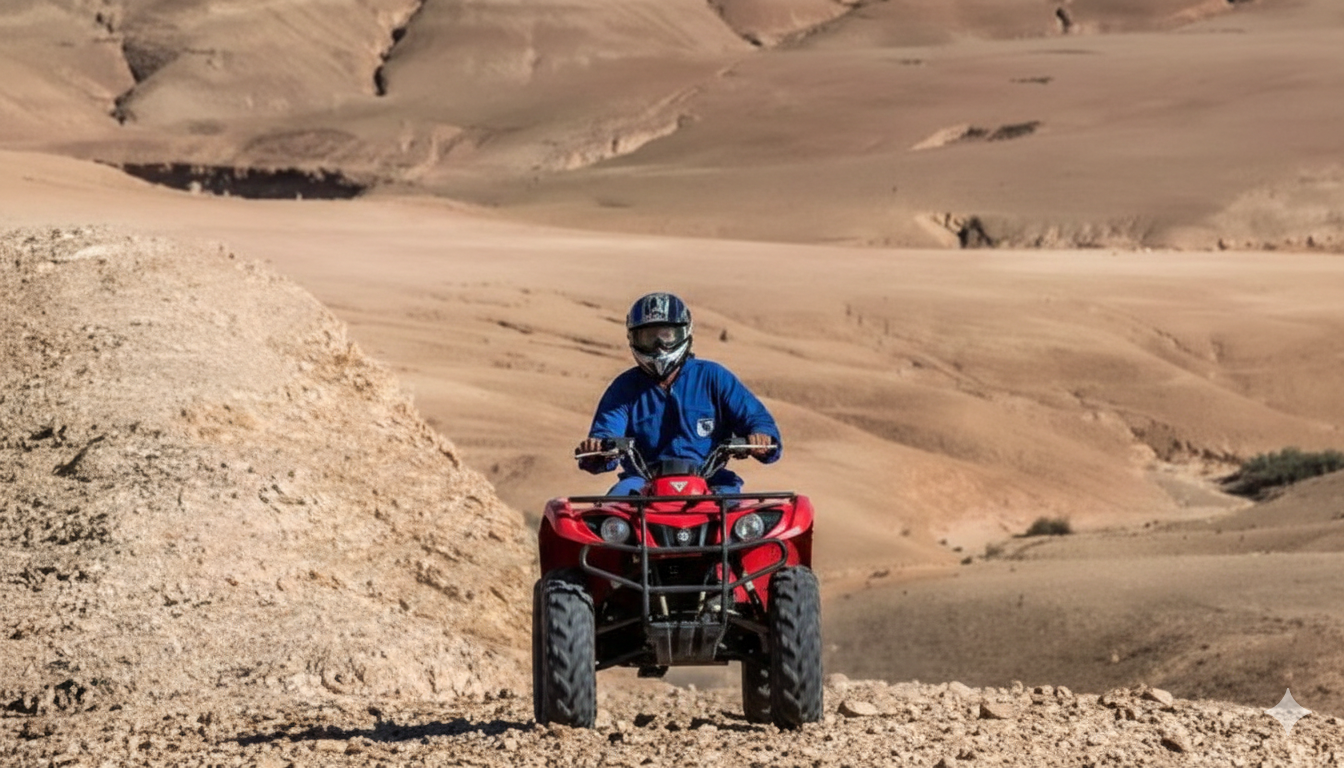
Many people consider Morocco their dream travel destination because they want to visit Marrakech’s lively markets and the Sahara’s picturesque desert landscapes. The Morocco eVisa process requires Dominica passport holders to understand its requirements for achieving a successful travel experience. The guide contains complete information which applicants need to obtain a Morocco eVisa for Dominica Citizens through their required documents and payment methods and special travel regulations and additional information.
What Documents Are Required for Dominica Citizens Applying for the eVisa?

Dominica citizens must prepare a few Morocco visa requirements for their eVisa application:
Passport Bio Page: The person needs to bring a standard passport which should remain valid for six months after their scheduled entry into Morocco. The document needs to display your complete name together with your birth date and passport number and the authority that issued your document. The document needs to contain two blank pages which will be used to document entry and exit stamps.
Recent Passport-Size Photo: Applicants need to send in a current color photo that satisfies the requirements listed below.
- The photo needs to be taken within the last six months.
- The image needs to display clear and precise colors which create a high-quality visual result.
- The background must be off-white or plain white.
- The background must remain clear of visible objects which include both patterns and shadows.
Additional Documents for Business eVisa Applicants: Applicants for business eVisas need to present additional proof of their professional activities at the embassy. The requirements for this application process include the following documents:
- An official letter of invitation from a company incorporated in Morocco
- Confirmation of a scheduled business meeting
- Proof of a business’s collaboration, partnership, or commercial relationship
How Many Days Does Morocco eVisa Processing Usually Take?
The Morocco eVisa system offers different processing speeds:
Standard Processing:
- The time needed to process applications ranges from three to six working days.
- The option provides applicants with the most economical choice which best fits their needs when they apply for their visas before their scheduled departure.
Rush Processing:
- When you need your visa processed before standard processing times you can choose this faster processing option.
- Your application will be processed between 2 to 4 working days after you pay an extra fee.
Super Rush Processing:
- This service provides the quickest processing time which you can obtain.
- Your eVisa will be processed within 1 to 2 working days after you pay an additional fee.
How Can I Pay for Goods and Services While in Morocco?
- The Moroccan Dirham (MAD) functions as the official currency of Morocco which people use to make their daily purchases throughout the nation.
- Cash serves as the primary payment method which people use in local markets, small shops, taxis, and rural areas.
- Hotels and restaurants and malls and larger stores all accept major credit cards such as Visa and Mastercard.
- You can withdraw Moroccan Dirhams from ATMs located in cities, airports, and tourist areas.
- Some businesses in urban areas accept Apple Pay, Google Pay, and contactless card payments.
- You can exchange foreign currency at banks, exchange offices, and airports.
- Many hotels and tour operators and airlines provide secure online payment options which accept international cards.
Are Digital and Contactless Payment Methods Widely Used in Morocco?
In Morocco, people are starting to adopt digital and contactless payment methods in their payment systems especially in the major cities of Casablanca, Marrakech and Rabat. The establishments of hotels and shopping malls as well as restaurants and supermarkets all permit customers to use contactless credit and debit cards. The modern establishments support mobile payment options which include Apple Pay and Google Pay. Small shops and traditional markets which local people call souks together with rural areas of the country prefer to use cash as their main payment method. Travelers who need to go outside urban centers should carry Moroccan Dirhams for their convenience.
Is Visa Conversion Allowed Once I Enter Morocco with an eVisa?
The visa conversion process remains unavailable to travelers who enter Morocco with an eVisa. An eVisa is issued for a specific purpose, such as tourism or business, and cannot usually be changed to another visa category after arrival. Morocco does not provide visa-on-arrival services to travelers who need an eVisa. If you need to change your travel purpose, you have to exit the country, and then you must obtain the necessary visa from outside before you can come back.
Are there Additional Regulations for Minors or Short Layovers in Morocco?
Yes, there are specific regulations for minors and transit travelers in Morocco. Children must have their own valid passport and, if required, an approved eVisa. When a minor travels without both parents, the authorities may require a parental consent letter and birth certificate as additional travel documents. The international transit area does not require a visa for travelers who stay during their short layover. If you leave the airport or your transit exceeds 24 hours, a valid visa may be necessary.
Is a Flight Reservation Mandatory to Apply for a Morocco eVisa?
No flight reservation requirements exist for Morocco eVisa applications because applicants can submit their applications without needing to show proof of their flight reservations. The authorities require travelers to present their intended date of entry and scheduled duration of stay as part of their travel information. Applicants who submit a preliminary flight schedule together with their application will create a stronger case for their application. The application process allows you to apply without showing proof of your confirmed flight but presenting onward travel evidence helps you to avoid processing delays and document requests during both processing and immigration steps.
Is It Compulsory to Book a Hotel Before Applying for a Morocco eVisa?
No, it is not always compulsory to book a confirmed hotel before applying for a Morocco eVisa. The process requires you to submit accommodation information which can include a hotel reservation or temporary booking or an invitation letter for your stay with friends and family. Immigration authorities may request proof of where you plan to stay during your visit.Your application process to enter Morocco will become easier if you provide detailed information about your accommodation.
Does a Morocco eVisa Allow Digital Nomad or Freelance Work?
A Morocco eVisa does not officially grant permission for local employment or running a business within Morocco. Remote work for foreign employers and freelance clients outside Morocco is generally accepted, provided that you do not access the local job market or generate income from Moroccan sources. The tourist eVisa allows people to travel for short periods, while the business eVisa allows access to meetings and events. You should review immigration regulations before your travel if you intend to work remotely for an extended period.
Is Online Customer Service Provided During the eVisa Application Process?
The majority of Morocco eVisa platforms operate online customer support during the application process. The applicants are able to use live chat and email support and WhatsApp assistance to receive help with completing forms and uploading documents and resolving payment problems. The real-time support system proves to be essential during times when users face technical difficulties or need assistance with document requirements. The support available through different service providers shows differences in their level of assistance so users should verify their contact methods before starting the application process.
What Can I Legally Do On a Morocco Business eVisa?

- Attend meetings for business: Attend meetings with partners, customers, or representatives of the business.
- Attend seminars and conferences: Participate in business gatherings, trade exhibitions, and conferences for professionals.
- Contract negotiations: Talk about and sign partnership or commercial agreements.
- Conduct market research: Examine potential business ventures and evaluate the Moroccan market.
- Visit Company Branches: Visit local teams or observe how businesses are run.
- Engage in Short-Term Training: Participate in quick workshops or training sessions that are unrelated to your job.
Does Morocco Require Travelers to be Vaccinated Before Arrival?
Morocco does not require mandatory vaccinations for most travelers who wish to enter the country. The travel safety guideline recommends travelers to receive Hepatitis A and Hepatitis B and Typhoid and Tetanus vaccines. Travelers arriving from countries that have Yellow Fever risk must show their Yellow Fever vaccination certificate. Health regulations can change, so it is advisable to check official travel health guidelines and consult your doctor before your trip.
Do Major Airports in Morocco Support Biometric Screening?
Morocco’s main airports are adopting biometric screening and automated boarding systems to modernize their operations. The airports of Mohammed V International Airport (Casablanca) and Marrakech-Menara and Agadir-Al Massira and Fès-Saïss and Tangier Ibn Battouta and Rabat-Salé are installing biometric e-gates and electronic identity verification systems to expedite passport control and boarding activities. The systems use facial recognition technology together with passport chip information to verify identities in a fast manner which improves security and passenger movement at border crossings and boarding areas.
Conclusion
Dominica citizens can easily obtain a Morocco eVisa through proper execution of the application process requirements. Your trip to Morocco will proceed without problems when you obtain the necessary documents and payment methods and understand the rules that apply to children and transit and business activities. The best way to travel without difficulties is to prepare your trip in advance and maintain digital backups of your travel documents while you stay updated on airport operations and local rules.